





Are Drug Interactions Dangerous? What You Need to Know
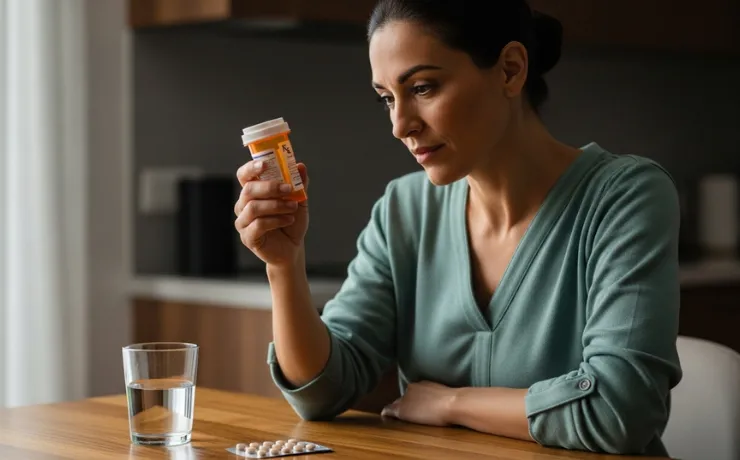
Medication plays an important role in keeping you healthy, but using more than one medication at the same time can sometimes lead to unexpected effects. This is known as a drug interaction. While not all interactions are harmful, some can affect the way your medications work or increase your risk of side effects.
Understanding drug interactions is a key part of staying safe and getting the best results from your treatment. At Farmington Drugs, pharmacists are trained to help you navigate your medications and make sure they work together safely.
In this guide, we’ll explain what drug interactions are, why they matter, and how you can protect yourself.
What Are Drug Interactions?
A drug interaction happens when one substance changes the way a medication works in your body. This interaction can make a medication stronger, weaker, or cause unexpected side effects.
Drug interactions can occur with:
-
Other prescription medications
-
Over-the-counter products
-
Vitamins and supplements
-
Herbal products
-
Certain foods or beverages
Because interactions can happen in many ways, it’s important to stay informed and communicate openly with your pharmacist and doctor.
Are Drug Interactions Dangerous?
Yes—some drug interactions can be dangerous, especially when they affect your body in ways you don’t expect.
Drug interactions may:
-
Reduce your medication’s effectiveness
-
Increase the risk of unwanted side effects
-
Cause new symptoms
-
Lead to medication overload
-
Interfere with how your body absorbs, processes, or eliminates medication
Not every interaction leads to serious harm, but even mild reactions can make your treatment less effective. That’s why proper guidance is essential.
Types of Drug Interactions You Should Know About
Understanding the main types of interactions can help you recognize potential risks and ask the right questions.
1. Drug-to-Drug Interactions
This is the most common type. It happens when two medications affect each other’s action.
Examples include:
-
Two medications with similar effects working together and becoming too strong
-
Medications with opposite effects canceling each other out
-
One medication preventing another from being absorbed properly
When you take multiple medications, your pharmacist plays a crucial role in checking for these interactions.
2. Drug-to-Food Interactions
Some foods and drinks can change how your medication works.
Common examples include:
-
Foods that slow or speed up absorption
-
Beverages that affect the medication’s strength
-
Meals that interfere with how the body breaks down medication
Your pharmacist can help you understand whether to take your medication with food or on an empty stomach.
3. Drug-to-Supplement Interactions
Many people use vitamins or herbal supplements without realizing they can affect prescription medications.
Herbal products may:
-
Increase side effects
-
Weaken medication strength
-
Change how fast your body processes your medications
Always let your pharmacist know about any supplements you take—no matter how “natural” they seem.
4. Drug-to-Alcohol Interactions
Alcohol can interact with many types of medications. It may cause:
-
Increased drowsiness
-
Stomach irritation
-
Changes in blood pressure
-
Reduced medication effectiveness
Even small amounts of alcohol can cause interactions in some cases.
Why Drug Interactions Happen
Drug interactions occur for several reasons, including:
-
Taking multiple medications for different conditions
-
Using medications from more than one doctor
-
Starting a new medication
-
Changing your dosage
-
Taking over-the-counter products without checking for interactions
-
Mixing supplements and herbal products with prescription medications
These situations are common, and that’s why professional guidance is so important.
Warning Signs of a Possible Drug Interaction
Not all interactions cause obvious symptoms, but some signs to watch for include:
-
Unexpected side effects
-
New symptoms after starting a medication
-
Changes in how you feel after taking two medications together
-
Increased drowsiness or restlessness
-
Digestive issues
-
Changes in blood pressure or heart rate
If you notice anything unusual, contact your pharmacist or doctor right away.
How Pharmacists Help Prevent Drug Interactions
Your pharmacist at Farmington Drugs is one of your best resources for medication safety. Pharmacists are trained to identify potential interactions before they happen.
Here are some key ways they help:
1. Reviewing All Your Medications
Pharmacists look at your full medication list—including prescriptions, over-the-counter products, and supplements—to spot any possible interaction risks.
2. Checking Dosages and Timing
Sometimes medications are safe together but need to be taken at different times of day. Your pharmacist can help you create a clear schedule.
3. Explaining How to Take Your Medication Correctly
Simple instructions—such as whether to take a medication with food—can help prevent interactions.
4. Helping You Understand What to Avoid
Your pharmacist can advise you about:
-
Foods to avoid
-
Alcohol limits
-
Supplements that may interfere
-
Over-the-counter products that may cause problems
5. Keeping Your Medication Records Updated
If you always use the same pharmacy, your pharmacist can track your complete medication history and prevent interactions before they happen.
How You Can Help Prevent Drug Interactions
You play an important role in your own medication safety. Here are simple steps you can take:
1. Keep an Updated Medication List
Include:
-
Prescription medications
-
Over-the-counter products
-
Vitamins and supplements
-
Herbal products
Share this list with every healthcare provider you see.
2. Use One Pharmacy When Possible
This allows your pharmacist to spot potential interactions faster and with more accuracy.
3. Ask Questions Before Starting Anything New
Before you take a new medication or supplement, ask your pharmacist:
-
Is this safe with my current medications?
-
How should I take it?
-
Are there foods I should avoid?
-
What side effects should I watch for?
4. Follow Your Medication Instructions
Taking a medication incorrectly can lead to interactions even if the medications themselves are safe together.
5. Avoid Self-Diagnosing or Self-Treating
Even common over-the-counter products can interact with your medications. When in doubt, always check with a pharmacist.
When to Contact Your Pharmacist or Doctor
Reach out if you:
-
Start a new medication
-
Notice new or unusual symptoms
-
Want to take a new supplement or over-the-counter product
-
Feel your medication is not working as expected
-
Have questions about food or alcohol interactions
Your pharmacist is always ready to help ensure you stay safe and informed.
Conclusion
Drug interactions are an important part of medication safety. While they can be dangerous, many interactions can be prevented with the right knowledge and support. At Farmington Drugs, pharmacists work every day to protect your health by reviewing your medications, offering clear guidance, and answering your questions.
By staying informed and communicating openly, you can use your medications with confidence and avoid unnecessary risks.
If you ever have concerns about your medications, your pharmacist is here to help—just ask.