





How Compound Medications Are Made in the Pharmacy
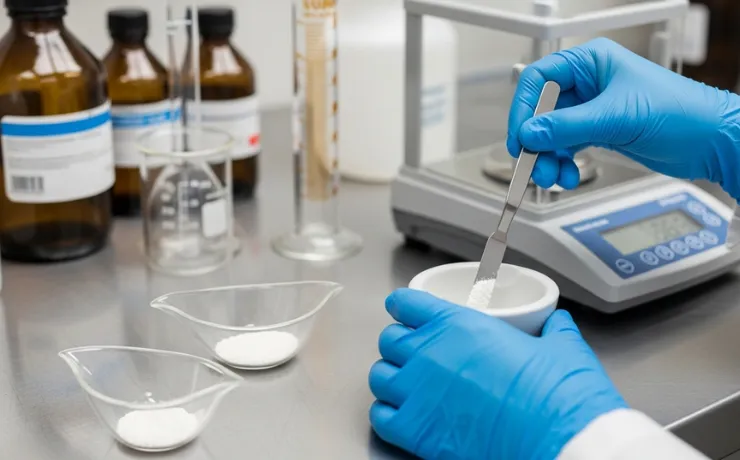
Every patient is unique—and sometimes, standard, mass-produced medications don’t meet a person’s specific needs. That’s where compounding pharmacies come in.
At Farmington Drugs, our pharmacy team specializes in custom-compounded medications, carefully prepared to match the exact dose, strength, and form that works best for each patient. Whether it’s adjusting an ingredient, changing a flavor, or creating a unique formulation, compounding is both an art and a science that allows pharmacists to personalize care.
But how exactly are these medications made? Let’s take a closer look at the step-by-step process of compounding and why it plays such a vital role in modern pharmacy care.
What Is Compounding?
Compounding is the process of preparing personalized medications for patients when commercially available drugs don’t meet their needs. It involves combining, mixing, or altering ingredients to create a medication tailored to a doctor’s prescription.
This practice allows pharmacists to:
-
Adjust dosage strengths for adults or children
-
Remove ingredients that cause allergies or sensitivities
-
Add flavors to make medications easier to take
-
Create alternative forms (such as creams, liquids, or gels)
-
Recreate discontinued medications
At its core, compounding ensures that every patient receives the medication that fits them best, not just what’s available on the market.
Why Compounding Matters
Commercial drug manufacturing focuses on large-scale production, which means most medications come in limited strengths and forms. However, many patients require something outside those standard options—especially children, seniors, or individuals with allergies.
For example:
-
A child who can’t swallow pills may need a liquid version of their medication.
-
Someone allergic to preservatives may need a preservative-free formulation.
-
A patient who requires a lower dose than what’s commercially available can have a custom strength prepared.
By working closely with your doctor, a compounding pharmacist can design a solution that meets your specific medical, comfort, and safety needs.
Step-by-Step: How Compound Medications Are Made
Compounding is a highly controlled process that requires precision, expertise, and strict safety standards. Here’s how it works:
1. Receiving the Prescription
Every compounded medication begins with a prescription from a licensed healthcare provider. This prescription includes detailed information such as:
-
The patient’s name and age
-
The desired medication and dosage form
-
Instructions for use
-
Any ingredients to include or avoid
Your pharmacist reviews this information to ensure it’s clear, safe, and appropriate for compounding.
2. Reviewing and Researching the Formula
Once the prescription is received, the pharmacist reviews it carefully and may research the best way to prepare the medication.
This step includes:
-
Checking compatibility between ingredients
-
Reviewing solubility and stability data
-
Confirming proper concentration and form
-
Consulting trusted pharmaceutical references
Pharmacists use their specialized knowledge of chemistry and medicine to ensure that the final product will be both effective and safe.
3. Measuring and Preparing Ingredients
Compounding requires exact measurements—even the smallest variation can affect quality or effectiveness.
Pharmacists or trained technicians measure each ingredient using highly sensitive digital scales and specialized tools. All materials are sourced from reputable suppliers that meet strict regulatory standards.
Depending on the prescription, the pharmacist may:
-
Mix powders for capsules
-
Combine liquids for suspensions
-
Melt and blend creams or ointments
-
Prepare sterile solutions under controlled environments
Every step follows precise calculations and validated procedures.
4. Compounding the Medication
The ingredients are then combined using professional-grade equipment. The specific method depends on the type of medication being prepared.
Some examples include:
-
Trituration: Grinding powders to ensure even texture and consistency
-
Geometric dilution: Gradually mixing ingredients for uniform distribution
-
Levigation: Smoothing and blending creams or ointments for easy application
-
Sterile compounding: Preparing injectable or ophthalmic (eye) medications in a contamination-free environment
This stage requires careful attention to detail—ensuring every batch meets high standards of quality, uniformity, and safety.
5. Quality Assurance and Labeling
Before dispensing, the pharmacist performs a quality check to confirm that the final medication meets all required specifications.
This includes verifying:
-
Proper texture, color, and consistency
-
Correct dosage and measurement
-
Safe packaging and labeling
Each compounded medication is clearly labeled with:
-
Patient’s name
-
Ingredients and strength
-
Usage directions
-
Expiration date
-
Storage instructions
These labels help ensure that patients use their medication safely and effectively.
6. Counseling and Patient Education
The compounding process doesn’t end when the medication is ready. Your Farmington Drugs pharmacist will take the time to:
-
Explain how to use the medication correctly
-
Discuss storage and shelf life
-
Answer any questions about potential side effects or interactions
-
Coordinate with your doctor for ongoing monitoring
This personalized guidance ensures patients understand their treatment plan and get the best possible results.
Types of Compounded Medications
Compounded medications come in many forms to meet different patient needs. These may include:
-
Topical creams and gels: For localized pain or skin conditions
-
Oral liquids or suspensions: Ideal for children or patients who have trouble swallowing pills
-
Capsules or tablets: Customized strengths and combinations
-
Suppositories: Alternative delivery for patients who can’t take oral medications
-
Ointments and lotions: For targeted relief or sensitive skin
Every preparation is tailored to the individual, making compounding one of the most flexible and patient-focused services in pharmacy care.
Safety and Quality in Compounding
Compounding pharmacies must follow strict regulatory standards to ensure safety, accuracy, and quality.
At Farmington Drugs, we adhere to pharmacy compounding best practices, including:
-
Using high-quality pharmaceutical-grade ingredients
-
Following cleanroom and sterilization protocols where needed
-
Maintaining accurate records for each compounded prescription
-
Performing regular equipment calibration and staff training
These standards help guarantee that every compounded medication is safe, consistent, and effective.
Benefits of Choosing a Compounding Pharmacy
Patients choose compounding pharmacies for a variety of reasons, including:
-
Personalized treatment: Custom solutions for your specific needs
-
Improved comfort: Easier-to-take forms or better flavors
-
Allergy avoidance: Removal of dyes, gluten, or preservatives
-
Access to discontinued medications: Bringing back formulas no longer on the market
Pharmacy compounding bridges the gap between one-size-fits-all medicine and personalized care, giving patients access to medications that truly fit their lives.
The Role of the Pharmacist
Compounding requires both scientific precision and patient-centered care. The pharmacist is responsible for ensuring safety, maintaining quality standards, and working closely with both the patient and their healthcare provider.
At Farmington Drugs, our pharmacists are trained compounding professionals who take pride in crafting each medication with accuracy, care, and dedication.
Final Thoughts
Compounding is more than just mixing ingredients—it’s about customizing care to fit the individual. By creating medications tailored to your unique needs, compounding pharmacies like Farmington Drugs help make treatment safer, more comfortable, and more effective.
If you’ve ever struggled with a medication’s strength, form, or ingredients, compounding may be the solution you’ve been looking for.
Visit Farmington Drugs today to learn more about our compounding services and how we can help personalize your medication therapy.