





How Often Should You Get Screened for Diabetes?
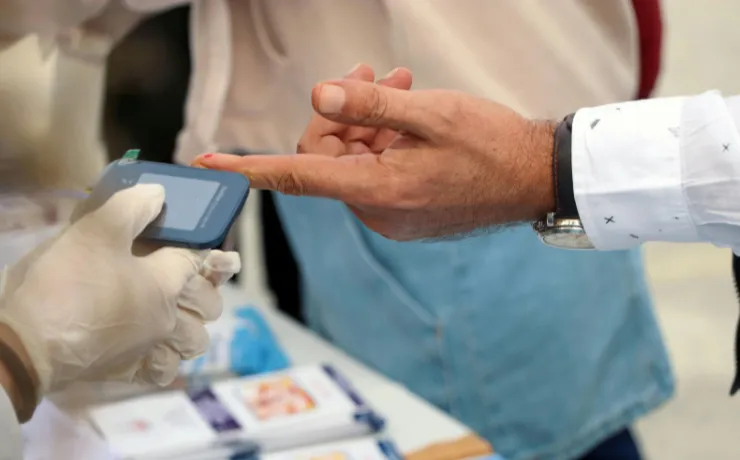
Diabetes is one of the most common health conditions affecting millions of people worldwide. Many individuals may have diabetes or prediabetes without knowing it because early symptoms can be mild or easily overlooked. That is why routine screening is one of the most effective ways to detect diabetes early and take steps to protect your long-term health.
At Farmington Drugs, we believe that understanding your screening schedule plays an important role in managing your overall well-being. This guide explains how often you should get screened, what factors influence your screening frequency, and what to expect during the process.
Why Diabetes Screening Matters
Regular diabetes screening allows healthcare providers to detect blood sugar issues before they become serious. Early detection helps with:
-
Preventing health complications
-
Starting treatment earlier when it is most effective
-
Making lifestyle changes that may delay or prevent diabetes
-
Monitoring overall metabolic health
Many people with prediabetes are unaware of their condition, which makes screenings even more important.
What Does a Diabetes Screening Include?
Diabetes screening usually involves one or more blood tests. The most common tests include:
Fasting Blood Glucose Test
Measures blood sugar after fasting for several hours.
A1C Test
Shows your average blood sugar levels over the past two to three months.
Random Blood Glucose Test
Checks your blood sugar at any time of day.
Oral Glucose Tolerance Test
Measures how your body handles sugar after drinking a glucose solution.
Your healthcare provider will recommend the most appropriate test depending on your risk factors and health history.
How Often Should the General Population Be Screened?
For adults without symptoms or known risk factors, many healthcare professionals recommend diabetes screening every three years, starting at age 35–40. This schedule helps identify early changes before they develop into full diabetes.
However, frequency can change based on risk level and individual health needs.
Screening Frequency Based on Risk Factors
Certain factors can increase your risk of developing diabetes, which may require earlier or more frequent screenings.
1. Family History
If you have a close family member with diabetes, you may need screenings more often—possibly every one to two years.
2. Weight and Body Composition
People with a higher body weight or BMI may need screening earlier and more frequently because excess weight can affect how the body manages insulin.
3. Age
As you get older, your risk increases. Adults over 45 are generally encouraged to get tested every year or two depending on their overall health.
4. Physical Activity Level
Low physical activity levels may increase risk and support more frequent screenings.
5. Blood Pressure and Cholesterol
High blood pressure or abnormal cholesterol can be early signs of metabolic concerns. In these cases, annual screening may be recommended.
6. Gestational Diabetes History
People who developed diabetes during pregnancy often need screenings every one to three years afterward, depending on medical guidance.
7. Other Health Conditions
Some medical conditions may increase risk and require yearly screening.
If you’re unsure whether you fall into a higher-risk category, your pharmacist or healthcare provider can help guide you.
How Often Should You Be Screened if You Have Prediabetes?
Prediabetes is a condition where blood sugar levels are higher than normal but not high enough to be classified as diabetes. It is a warning sign that your body is struggling with blood sugar control.
If you have been diagnosed with prediabetes, most healthcare providers recommend annual diabetes screening. Regular monitoring helps track whether numbers are improving, staying stable, or progressing.
Screening for People With Diabetes Symptoms
Even if you do not fall into a high-risk group, you should get screened as soon as possible if you notice symptoms such as:
-
Frequent thirst
-
Increased urination
-
Unexplained fatigue
-
Blurred vision
-
Slow-healing wounds
These symptoms do not automatically mean you have diabetes, but they are enough reason to schedule a screening promptly.
Screening for Children and Teens
Diabetes is increasingly being diagnosed in young people. Screening recommendations for children depend on risk factors such as:
-
Family history
-
Higher body weight
-
Low activity levels
Most guidelines suggest screening every three years for children with risk factors, starting at puberty or age 10—whichever comes first.
What to Expect During Your Screening
Most diabetes screening tests are simple, quick, and routine. Depending on the test, you may be asked to fast beforehand. Results help your healthcare provider understand:
-
Whether your blood sugar is in the normal range
-
If you have prediabetes
-
If you may have diabetes and require further care
Your pharmacist at Farmington Drugs can help you understand your results and guide you on next steps, whether that includes lifestyle changes, follow-up testing, or discussing treatment options with your provider.
When Should You Repeat the Test After an Abnormal Result?
If your screening indicates elevated blood sugar levels, your provider may recommend repeating the test within a few weeks or months to confirm accuracy. The exact timing depends on the type of test and your result level.
Early follow-up is important because it:
-
Provides accurate diagnosis
-
Helps determine whether lifestyle changes are working
-
Supports a treatment plan if needed
How Lifestyle Choices Impact Screening Frequency
If you make positive lifestyle changes such as improving your diet, increasing physical activity, or managing stress, your provider may adjust your screening schedule. Healthy habits can lower your risk, but regular screenings are still important to ensure long-term protection.
The Role of Pharmacies in Diabetes Screening Support
Pharmacies like Farmington Drugs play a helpful role in diabetes education and ongoing health support. Many pharmacies offer:
-
Guidance on understanding lab results
-
Advice on monitoring supplies
-
Information about general diabetes management
-
Support with medication routines (without mentioning specific medications)
Your pharmacist is an important part of your healthcare team and can help you stay informed and proactive.
Final Thoughts
Regular diabetes screening is an essential part of protecting your health. While general guidelines recommend testing every three years for adults with no risk factors, many people may need more frequent screenings based on age, health history, symptoms, or other medical conditions.
Early detection makes a meaningful difference. It allows you to take action sooner, prevent complications, and maintain a healthier future.
If you have questions about diabetes screening or want help understanding your test results, the team at Farmington Drugs is here to support you every step of the way.