





How Pharmacies Support Type 1 and Type 2 Diabetes Management
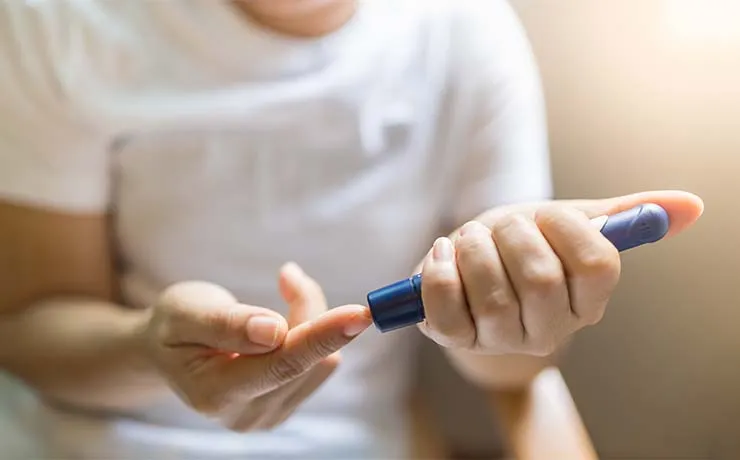
Managing diabetes, whether it's Type 1 or Type 2, requires careful planning, consistent monitoring, and a comprehensive treatment approach. While doctors and diabetes specialists play a key role in diagnosis and treatment, pharmacies also provide crucial support for individuals managing diabetes on a daily basis.
At Farmington Drugs, we’re committed to helping our patients manage their diabetes effectively through personalized medication support, education, and resources. Whether you are newly diagnosed or have been living with diabetes for some time, the pharmacy plays a central role in managing your health.
In this blog post, we’ll explore how pharmacies like Farmington Drugs help patients manage both Type 1 and Type 2 diabetes, and why medication and lifestyle management go hand in hand.
The Role of Pharmacists in Diabetes Management
Pharmacists are healthcare professionals who are experts in medications, their effects on the body, and how to use them safely. They work closely with both patients and other healthcare providers to ensure that diabetes management is both safe and effective.
1. Personalized Medication Management
Pharmacists at Farmington Drugs can help you understand the medications you are prescribed and ensure that they are working effectively. Diabetes medications are often complex, and it’s essential that patients understand how to take them, when to take them, and how they interact with other medications.
Pharmacists can:
-
Educate patients about the proper use of medications, such as insulin, oral drugs, or other diabetic medications.
-
Review your medication list to ensure that there are no harmful drug interactions.
-
Help with adjustments to your treatment if side effects or complications arise.
By offering personalized support, we ensure that each patient’s diabetes medication regimen is tailored to their unique needs.
2. Diabetes Education
Diabetes is a lifelong condition, but with the right education, patients can effectively manage their blood sugar levels and lead healthy, active lives. Pharmacists at Farmington Drugs are equipped to provide diabetes education, helping patients understand:
-
The importance of blood sugar monitoring.
-
How to maintain a balanced diet that supports healthy glucose levels.
-
The need for regular exercise and how it impacts blood sugar.
-
How to recognize and manage low or high blood sugar (hypoglycemia or hyperglycemia).
This education empowers patients to take control of their diabetes and make informed decisions about their care.
3. Monitoring and Adjusting Treatment
With diabetes, managing blood sugar levels is crucial. Pharmacists help track and adjust treatment plans by providing regular support. Many pharmacies, including Farmington Drugs, offer services like:
-
Blood sugar monitoring: Some pharmacies provide glucometers or blood glucose testing devices to help monitor sugar levels regularly. Regular monitoring is key to making necessary adjustments to your treatment plan.
-
Tracking your progress: Pharmacists can assist in tracking blood sugar levels over time and help adjust medications or recommend changes in diet and exercise routines to improve outcomes.
-
Identifying complications: Regular pharmacy visits and ongoing counseling can help spot complications early, allowing for timely interventions to manage issues before they become serious.
Medication Support for Diabetes Management
Whether you are managing Type 1 or Type 2 diabetes, medications play a significant role in regulating your blood sugar and preventing complications. Here’s how pharmacists support diabetes management through medication:
1. Insulin and Other Injectable Medications
For patients with Type 1 diabetes, insulin is essential in managing blood sugar levels. Patients with Type 2 diabetes may also require insulin injections or other injectable medications. Farmington Drugs offers support by:
-
Providing insulin supplies and ensuring you understand how to administer your injections correctly.
-
Offering counseling on proper insulin storage to maintain its effectiveness.
-
Educating patients on the different types of insulin (short-acting, long-acting, etc.) and when to use each type.
2. Oral Medications for Type 2 Diabetes
For individuals with Type 2 diabetes, oral medications are often prescribed to help manage blood sugar levels. These medications include:
-
Metformin and other oral agents that help reduce insulin resistance.
-
Sulfonylureas that help increase insulin production.
-
DPP-4 inhibitors and SGLT2 inhibitors that work through different mechanisms to control blood sugar.
Pharmacists help you understand how to take these medications properly, including any potential side effects or interactions with other medications you may be taking.
3. Combination Therapy
Many patients with Type 2 diabetes may require a combination of different medications to effectively manage their blood sugar. Pharmacists help by:
-
Reviewing your medication regimen and making sure that all the medications work together harmoniously.
-
Helping you manage your treatment schedule to reduce the risk of missing doses.
-
Offering guidance on how to switch between medications or add new medications if your current regimen is not as effective.
Lifestyle Support in Diabetes Management
While medications are vital for managing diabetes, lifestyle changes are equally important. Pharmacists at Farmington Drugs work with patients to incorporate lifestyle modifications that complement their medication regimen.
1. Dietary Guidance
Proper nutrition is essential for managing diabetes. Pharmacists can provide guidance on:
-
Healthy eating habits that help control blood sugar.
-
Understanding carbohydrates, glycemic index, and portion control.
-
Meal planning tips to help avoid blood sugar spikes and crashes.
Although we don’t offer meal planning services, we provide referrals to nutritionists and can recommend resources to help you eat well and manage your condition.
2. Exercise Recommendations
Physical activity plays an important role in managing blood sugar levels and improving overall health. Pharmacists can provide advice on:
-
The best types of exercise for diabetes management, including both aerobic and strength-training exercises.
-
How to stay active while keeping your blood sugar levels in check.
-
Exercise safety tips, especially for those new to physical activity or with other health conditions.
3. Stress Management
Stress can significantly affect blood sugar levels, especially in individuals with Type 2 diabetes. Pharmacists may offer advice on:
-
Managing stress through relaxation techniques like deep breathing, meditation, or yoga.
-
Identifying and avoiding stress triggers that may negatively affect your health.
How Farmington Drugs Can Help with Diabetes Management
At Farmington Drugs, we offer a wide range of services to support diabetes management, including:
-
Medication counseling to ensure you understand your diabetes medications and how to use them correctly.
-
Blood glucose monitoring support, including the provision of glucose meters and guidance on how to track your blood sugar levels.
-
Education and resources on lifestyle changes, diet, exercise, and stress management.
-
Regular follow-up consultations to track your progress and make adjustments as needed.
Final Thoughts
Managing Type 1 and Type 2 diabetes requires a comprehensive approach that includes both medication and lifestyle changes. At Farmington Drugs, we are committed to supporting our patients by offering personalized medication counseling, diabetes education, and lifestyle resources that help you manage your diabetes effectively.
If you have diabetes or are at risk of developing the condition, contact Farmington Drugs today to learn more about our diabetes management services. Our team is here to help you lead a healthier life with diabetes.