





Understanding Medication Adherence: Importance, Strategies, and Tools
Understanding Medication Adherence: Importance, Strategies, and Tools
Medication adherence is a critical component of effective healthcare. Whether managing chronic conditions or recovering from an illness, understanding medication adherence is essential for achieving the best possible health outcomes. This article will explore the definition, importance, and strategies to improve adherence to medication.
What is Medication Adherence?
Medication adherence refers to the extent to which a patient takes their medications as prescribed by their healthcare provider. This includes the correct dosage, timing, and frequency. When patients adhere to medication instructions, they are more likely to experience the intended therapeutic benefits.
To define medical adherence, it is the consistency and accuracy with which patients follow their prescribed medication regimen. In contrast, medication non-adherence occurs when patients do not take their medications as directed, leading to potentially harmful consequences.
Why is Medication Adherence Important?
The importance of medication adherence cannot be overstated. Proper adherence helps manage chronic conditions, prevents complications, and reduces the risk of hospitalization. Non-adherence can lead to treatment failure, worsening of the disease, and increased healthcare costs. Therefore, it is vital for patients to understand and commit to their medication regimen.
When patients adhere to medication schedules, they contribute to their overall well-being and help healthcare systems operate more efficiently.
How to Improve Medication Adherence
Improving drug adherence involves several strategies, including:
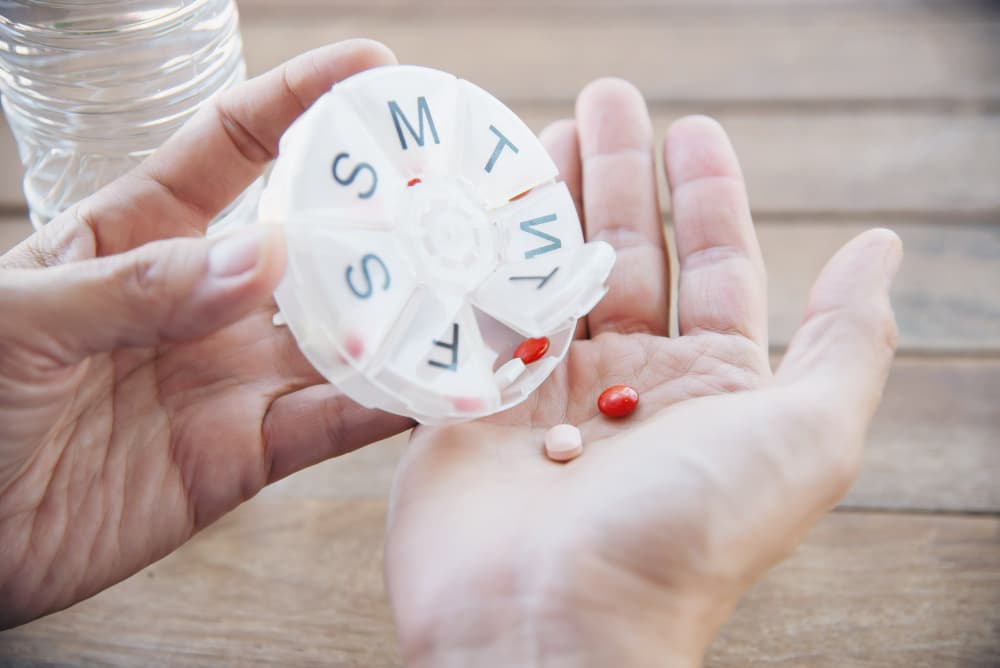
- Medication adherence tools: Pill organizers, mobile apps, and reminders can help patients stay on track.
- Education: Patients should be fully informed about their medications, including why they are prescribed and how to take them.
- Support systems: Involving family members, caregivers, or healthcare providers in the medication management process can enhance adherence.
- Medication adherence packaging: Blister packs or pre-packaged doses can simplify the process, reducing the risk of errors.
How to Assess Medication Adherence
Healthcare providers can assess medication adherence through various methods, including:
- Patient self-reporting and questionnaires.
- Reviewing prescription refill records.
- Electronic monitoring devices that track when a medication is taken.
- Clinical outcomes, such as lab results, that indicate whether the medication is having the desired effect.
These assessment methods help providers identify non-adherence issues and develop strategies to address them.
What Does Adherence Mean in Medical Terms?
In medical terms, adherence means following a treatment plan exactly as prescribed. This includes taking medications at the correct times, in the correct doses, and for the entire duration prescribed. Adherence is crucial for the effectiveness of treatment and long-term health outcomes.
What is Another Word for Medication Adherence?
Another term for medication adherence is medication compliance. While both terms are used interchangeably, "adherence" is preferred as it implies a collaborative effort between the patient and healthcare provider, rather than merely following orders.
How Do You Maintain Medication Adherence?
Maintaining medication adherence requires consistent effort. Patients can:
- Set up daily routines and reminders.
- Use medication adherence tools like apps or pill organizers.
- Engage in regular communication with healthcare providers.
- Understand the importance of their medication regimen and how it contributes to their health goals.
Why is it Important to Adhere to Medication?
Adhering to medication is important because it ensures the treatment is effective, reduces the risk of complications, and prevents the progression of the disease. Non-adherence can result in treatment failure, unnecessary side effects, and increased healthcare costs. By staying on track with their medications, patients take an active role in their health and well-being.
Conclusion
Understanding and maintaining medication adherence is vital for achieving the best possible health outcomes. By using strategies and tools to improve adherence, patients can effectively manage their conditions and maintain their quality of life. For more personalized advice, consult with your healthcare provider about the best ways to adhere to your prescribed medications.