





Understanding Shingles – Symptoms, Vaccine, and Relief Options
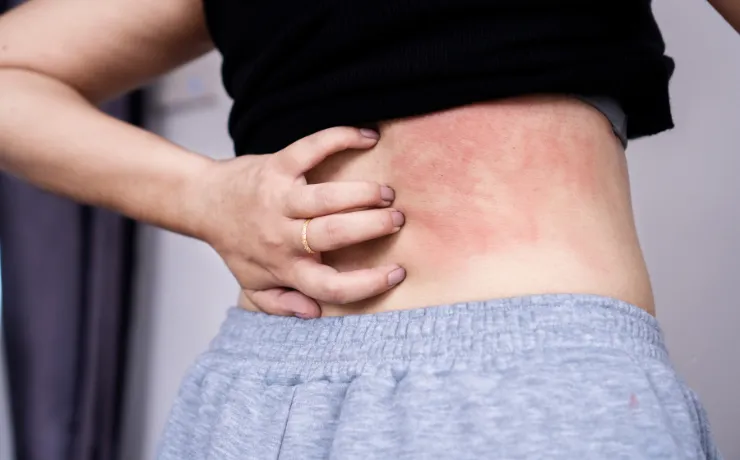
Shingles is a viral infection caused by the reactivation of the varicella-zoster virus—the same virus that causes chickenpox. While anyone who has had chickenpox can develop shingles, the risk increases with age or weakened immunity.
At Farmington Drugs, we provide guidance on recognizing shingles symptoms, understanding vaccine options, and managing discomfort with safe over-the-counter (OTC) remedies.
What Is Shingles?
Shingles occurs when the dormant varicella-zoster virus reactivates in the nervous system, causing a painful, blistering rash. It typically affects one side of the body and follows a nerve pathway.
Who Is at Risk?
-
Adults over 50
-
Individuals with weakened immune systems
-
People who have had chickenpox
-
Stress or illness may trigger reactivation
Common Symptoms of Shingles
Recognizing shingles early allows for prompt symptom management and reduces the risk of complications:
1. Pain and Tingling
-
Often occurs before the rash appears
-
May feel like burning, stabbing, or itching along a nerve pathway
2. Rash and Blisters
-
Red rash develops, usually on one side of the body
-
Small fluid-filled blisters appear within a few days
-
Blisters may crust over after 7–10 days
3. Additional Symptoms
-
Fever or chills
-
Headache
-
Fatigue
-
Sensitivity to touch in affected areas
Complications of Shingles
While most cases resolve in 2–4 weeks, complications can occur, particularly in older adults or immunocompromised individuals:
-
Postherpetic neuralgia (PHN): Persistent nerve pain after the rash heals
-
Vision problems: If shingles occurs near the eye (ophthalmic shingles)
-
Secondary bacterial infections: From scratching or irritation of the blisters
Prompt symptom management and medical guidance are key to preventing complications.
Preventing Shingles with Vaccination
Vaccination is the most effective way to reduce the risk of shingles and its complications:
-
Who should get the vaccine: Adults 50 and older, or younger adults with certain health conditions
-
Benefits: Reduces the risk of developing shingles and lessens severity if infection occurs
-
Consult your pharmacist: Pharmacists can provide guidance on vaccine schedules and eligibility
Vaccination, combined with general immune health practices, helps protect against shingles.
Over-the-Counter Relief Options
While antiviral prescription medications are sometimes required for severe cases, OTC products can help relieve discomfort:
1. Pain Relievers
-
OTC pain medications can reduce pain, burning, and discomfort
-
Follow dosing instructions carefully
2. Topical Treatments
-
Soothing creams or gels can relieve itching and irritation
-
Cooling compresses may reduce pain and inflammation
3. Anti-Itch Remedies
-
Calamine lotion or other skin-soothing agents can help reduce itching
-
Avoid scratching to prevent secondary infections
4. Hydration and Rest
-
Staying hydrated supports recovery
-
Adequate rest promotes immune system function
When to Seek Medical Attention
Immediate consultation is recommended if:
-
The rash is near the eye or affects vision
-
Pain is severe and unmanageable with OTC options
-
You have a weakened immune system
-
Blisters show signs of infection, such as pus, redness, or swelling
-
Symptoms are widespread or rapidly worsening
Healthcare providers can prescribe antiviral medications that are most effective when started within 72 hours of rash onset.
Lifestyle Tips to Support Recovery
-
Keep the rash clean and dry to prevent infection
-
Wear loose, comfortable clothing to avoid irritation
-
Manage stress through relaxation techniques
-
Avoid contact with individuals who have not had chickenpox or the vaccine, especially pregnant women or infants
The Role of Your Pharmacist
Pharmacists play a key role in supporting patients with shingles:
-
Identify OTC options for pain and symptom relief
-
Provide guidance on topical treatments and safe application
-
Advise on vaccine eligibility and schedules
-
Educate patients on warning signs and when to seek medical care
At Farmington Drugs, our pharmacists are available to answer questions, guide treatment decisions, and support you throughout recovery.
Final Thoughts
Shingles can be painful and disruptive, but with early recognition, vaccination, and safe symptom management, most patients recover without serious complications. OTC products, lifestyle adjustments, and professional guidance from pharmacists play a vital role in reducing discomfort and promoting healing.
Farmington Drugs is committed to helping patients manage shingles safely, offering advice on OTC relief, vaccine options, and when to seek medical attention to ensure the best possible outcomes.