




Using a Pharmacy-Based Health Screening to Stay Ahead of Illness
Many people associate pharmacies only with filling prescriptions or purchasing over-the-counter medicines. However, modern community pharmacies like Farmington Drugs now play a much larger role in everyday healthcare—especially when it comes to preventive care.
One of the most valuable services your local pharmacy offers is health screening. These quick, confidential tests can detect early signs of common conditions like high blood pressure, diabetes, or high cholesterol—often before symptoms even appear.
Regular health screenings help you stay ahead of illness by identifying risks early, allowing you to make informed decisions about your health and lifestyle.
Let’s explore what pharmacy-based health screenings are, why they matter, and how they can help you live a longer, healthier life.
What Is a Pharmacy-Based Health Screening?
A pharmacy-based health screening is a simple, in-store test that checks for potential health risks. These screenings don’t replace doctor visits but serve as a convenient, accessible way to monitor your health between appointments.
At Farmington Drugs, pharmacists are trained to perform various health screenings, interpret the results, and guide you on next steps if something looks concerning.
Common pharmacy screenings include:
-
Blood pressure checks
-
Blood glucose (sugar) tests
-
Cholesterol tests
-
Body mass index (BMI) measurements
-
Immunization reviews
-
Oxygen level and heart rate checks
Each test takes only a few minutes, providing valuable information about your health that you can share with your doctor.
Why Preventive Screenings Matter
Early detection can make all the difference when it comes to managing or even preventing disease.
Many chronic conditions—like high blood pressure, diabetes, or heart disease—develop silently over time. You may not notice any symptoms until the condition has progressed.
By using pharmacy-based screenings, you can:
-
Identify potential problems early before they become serious
-
Monitor ongoing health concerns more regularly
-
Save time and money compared to clinical visits
-
Make healthier lifestyle choices based on results
-
Collaborate with your pharmacist for ongoing support
These small, proactive steps can significantly reduce your risk of future complications.
Key Screenings Available at the Pharmacy
Pharmacies like Farmington Drugs offer several important health checks that help you take control of your well-being.
1. Blood Pressure Screening
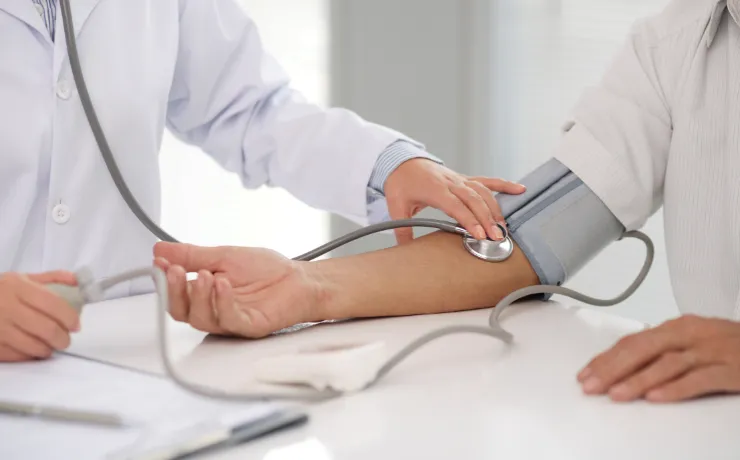
High blood pressure (hypertension) often has no symptoms but is a major risk factor for heart disease and stroke.
A blood pressure check at the pharmacy is quick and painless. If your reading is consistently high, your pharmacist can help you monitor trends, recommend lifestyle changes, and coordinate with your doctor for follow-up care.
2. Blood Glucose (Diabetes) Testing
Diabetes can cause serious complications if left untreated. A simple fingerstick test at the pharmacy can measure your blood glucose level in minutes.
Your pharmacist can help interpret your results and discuss ways to manage blood sugar through diet, exercise, and medication when necessary.
3. Cholesterol Screening
High cholesterol doesn’t cause symptoms but can quietly increase your risk of heart disease. Pharmacies can check your cholesterol levels quickly using a small blood sample.
The results help determine whether your levels are within a healthy range or if lifestyle adjustments—or further testing—are needed.
4. Weight and BMI Check
Tracking your body mass index (BMI) and weight over time can reveal important patterns related to your health. Pharmacists can explain what your BMI means and provide advice on nutrition, exercise, and managing weight effectively.
5. Immunization Review
Pharmacists can also review your immunization history and recommend vaccines that are due or missing, such as flu, pneumonia, shingles, or travel-related vaccines.
These preventive measures help protect you and your community from avoidable illnesses.
The Benefits of Getting Screened at a Pharmacy
Pharmacy-based health screenings have become increasingly popular because they are fast, convenient, and affordable.
Here are some of the biggest advantages:
1. Convenience and Accessibility
No need for long waits or scheduling appointments—pharmacies like Farmington Drugs are right in your community and often open extended hours. You can get screened while picking up a prescription or shopping for household essentials.
2. Personalized Advice
Pharmacists are medication and wellness experts. After your screening, your pharmacist can explain your results clearly and help you decide on next steps, whether that’s lifestyle changes, over-the-counter options, or a doctor visit.
3. Better Medication Management
Screenings help pharmacists ensure your medications are working effectively and not causing unwanted side effects. For example, if your blood pressure remains high despite treatment, your pharmacist can alert your provider.
4. Early Disease Detection
Pharmacies make it easier to spot warning signs early, reducing the risk of serious illness and hospitalization.
5. Community Health Impact
Pharmacy screenings help strengthen community health by making preventive care more accessible to everyone, including those who may not have regular access to a doctor.
How to Prepare for a Pharmacy Health Screening
To get the most accurate results, a little preparation goes a long way:
-
Avoid caffeine, alcohol, and smoking at least 30 minutes before testing.
-
Wear short sleeves for blood pressure checks.
-
Bring a list of medications (prescription and over-the-counter).
-
Stay hydrated but avoid heavy meals immediately before certain screenings.
-
Relax before your test—stress and movement can temporarily raise readings.
Your pharmacist will explain each step and ensure you’re comfortable throughout the process.
What Happens After Your Screening
Once your results are ready, your pharmacist will review them with you. Depending on the findings, you may:
-
Continue monitoring at home or with follow-up pharmacy visits.
-
Make lifestyle changes, such as improving diet or increasing activity.
-
Schedule a doctor’s appointment for further evaluation.
Pharmacists can also recommend over-the-counter supplements or tools—such as home monitors—to help you maintain progress between screenings.
At Farmington Drugs, we focus on turning your results into an action plan for better health.
How Health Screenings Fit into Preventive Care
Preventive care isn’t just about treating illness—it’s about staying ahead of it. By incorporating regular pharmacy screenings into your routine, you can:
-
Catch health issues before they escalate
-
Keep track of ongoing conditions
-
Support long-term wellness goals
Regular pharmacy visits create an opportunity to build a relationship with your pharmacist—someone who understands your health history and can guide you toward personalized care.
When to Schedule a Health Screening
You don’t need to wait for symptoms to appear. Consider scheduling a screening if:
-
You have a family history of heart disease, diabetes, or high cholesterol.
-
You’re over 40 or haven’t had a recent check-up.
-
You experience fatigue, headaches, or dizziness.
-
You’re starting or changing medications that affect heart or blood sugar levels.
Your pharmacist can recommend how often you should be screened based on your health profile.
Final Thoughts
Pharmacy-based health screenings are one of the easiest ways to stay proactive about your health. They offer quick results, expert guidance, and the convenience of accessing care close to home.
At Farmington Drugs, we believe prevention is the best medicine. Our pharmacists are here to help you understand your results, manage medications, and make informed choices that keep you feeling your best.
Stay ahead of illness—visit Farmington Drugs today to schedule your health screening and take the first step toward a healthier tomorrow.