




Veterinary Compounding: Medications for Your Pets
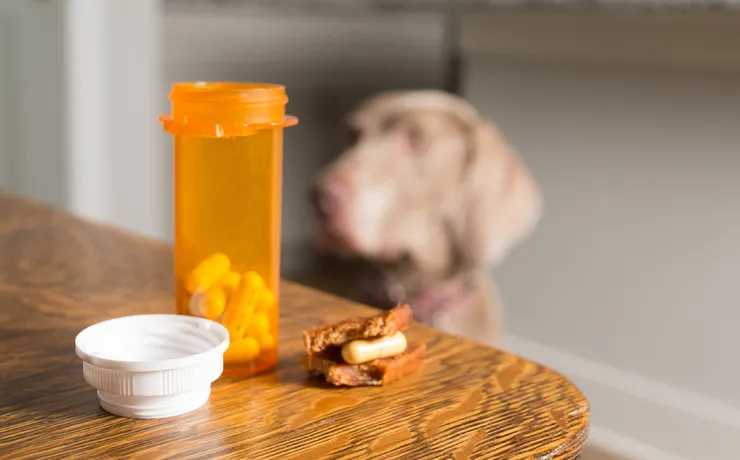
Pets are family, and like humans, they sometimes need medications to stay healthy or recover from illness. However, many animals struggle with standard medications—whether it’s the taste, size, or availability of the right dosage.
That’s where veterinary compounding comes in. Compounding allows pharmacists to customize medications specifically for your pet’s needs, making it easier for them to take their medicine and for you to provide it with confidence.
At Farmington Drugs, we understand that giving medication to a pet can be challenging. Our veterinary compounding services help remove those barriers and ensure your pet gets the right treatment in the right form.
What Is Veterinary Compounding?
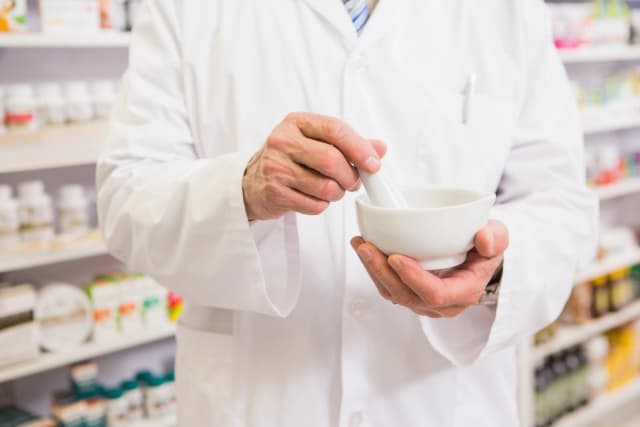
Veterinary compounding is the process of preparing customized medications for animals by mixing, flavoring, or adjusting ingredients to meet a pet’s specific needs.
Unlike mass-produced drugs, compounded medications are made individually by pharmacists under a veterinarian’s prescription.
This approach helps when:
-
A medication your pet needs isn’t available in the right strength or form
-
Your pet refuses to take pills or liquids due to taste
-
Your pet is allergic or sensitive to certain inactive ingredients
-
The medication your veterinarian prescribed is on backorder or discontinued
By tailoring medication to your pet, compounding makes treatment safer, easier, and more effective.
Why Pets Need Compounded Medications
Animals come in all shapes and sizes—from small hamsters to large dogs and horses. Standard medications aren’t always designed with that range in mind.
Here are some common reasons veterinarians and pharmacists recommend compounded options:
1. Correct Dosage for Your Pet’s Size
Manufactured medications are typically made for humans or average-sized pets. A small cat or tiny dog may only need a fraction of a standard dose. Compounding allows pharmacists to prepare a precise strength suitable for your pet’s weight and species.
2. Better Taste and Texture
Many pets refuse medication because it tastes bad or feels uncomfortable in their mouth. Compounded medications can be made with pet-friendly flavors like chicken, beef, tuna, or peanut butter—making medicine time much easier.
3. Alternative Dosage Forms
Some pets are difficult to medicate with pills. Veterinary compounding can transform a medication into a form that’s easier to give, such as:
-
Flavored liquids
-
Topical creams or gels (absorbed through the skin or ear)
-
Chewable treats or soft chews
-
Capsules that can be hidden in food
4. Addressing Allergies or Sensitivities
If your pet reacts to dyes, preservatives, or fillers found in commercial medications, compounded versions can be made without those ingredients, reducing the risk of side effects.
5. When a Medication Is Discontinued
Sometimes, a commercial manufacturer stops making a medication that your pet depends on. With veterinary compounding, pharmacists can recreate the formula so your pet can continue treatment without interruption.
How Veterinary Compounding Works
Veterinary compounding starts with collaboration between your veterinarian and your pharmacist.
Here’s how the process works step by step:
-
Your veterinarian writes a prescription specifying the drug, strength, form, and dosing instructions.
-
The pharmacist reviews the prescription and consults with the vet if any adjustments or clarifications are needed.
-
The medication is prepared in a sterile and controlled environment using specialized tools and pharmaceutical-grade ingredients.
-
The pharmacist provides dosing guidance and explains how to store and administer the medication properly.
At Farmington Drugs, our team ensures every compounded product meets strict quality and safety standards, so you can feel confident giving it to your pet.
Benefits of Veterinary Compounding
Compounded medications offer several benefits that make pet care more convenient and personalized.
1. Easier Administration
Flavored or alternative forms make medication time stress-free for both pets and owners. No more chasing your pet around with a pill!
2. Accurate Dosing
Pharmacists can make the exact strength your pet needs, reducing the risk of underdosing or overdosing.
3. Improved Compliance
When medications are easier to take, pets are more likely to get consistent doses—leading to better results.
4. Tailored for Unique Pets
From exotic animals to senior pets with special needs, compounded medications can be made for any species and size.
5. Continual Access to Needed Medications
Even when certain medications are unavailable commercially, compounding ensures ongoing treatment without interruption.
Types of Pets That Benefit from Compounding
Veterinary compounding isn’t just for cats and dogs—it’s suitable for a variety of animals, including:
-
Birds: Tiny doses and liquid forms are often needed.
-
Horses: Require larger quantities and sometimes flavored powders or pastes.
-
Rabbits and guinea pigs: Benefit from fruit-flavored liquids or soft chews.
-
Reptiles: May need liquid suspensions or gels for easier dosing.
-
Farm animals: Can require customized formulations for large or specific dosages.
No matter your pet’s size or species, compounding allows for individualized care.
Safety Tips for Giving Compounded Pet Medications
Even though compounded medications are customized for your pet, they still need to be handled carefully.
1. Follow Directions Exactly
Give the medication exactly as prescribed—never adjust the dose or schedule without your veterinarian’s approval.
2. Store Properly
Some compounded medications may need refrigeration or protection from light. Always follow the pharmacist’s instructions for storage.
3. Avoid Sharing Between Pets
Even if two pets are the same breed and weight, their medication formulations may differ. Never share one pet’s prescription with another.
4. Monitor for Side Effects
Watch for changes in behavior, appetite, or energy level. If you notice anything unusual, contact your veterinarian right away.
5. Keep Out of Reach of Children and Other Animals
Store medications securely to prevent accidental ingestion by other pets or family members.
How Farmington Drugs Supports Pet Owners
At Farmington Drugs, we’re proud to offer veterinary compounding services that make caring for your pet simpler and more effective.
Our pharmacists work directly with veterinarians to:
-
Create customized, pet-friendly medications
-
Offer flexible dosage forms and flavors
-
Ensure accurate, safe, and consistent compounding practices
-
Provide storage and dosing instructions for every medication
We treat your pets with the same care and precision we give to our human patients—because their health matters, too.
When to Ask Your Veterinarian About Compounding
Not every pet requires compounded medication, but it’s worth asking about if:
-
Your pet refuses or spits out their medicine
-
A standard dose doesn’t fit your pet’s needs
-
The medication your pet takes is on backorder
-
You’re concerned about allergens or fillers in commercial products
-
You have multiple pets with different medication requirements
Your veterinarian can determine whether compounding is right for your pet and work with our pharmacy to create a safe, effective solution.
Final Thoughts
Veterinary compounding offers a compassionate, customized approach to pet care. It allows pharmacists to tailor medications for your pet’s size, taste, and specific health needs—ensuring better compliance and outcomes.
At Farmington Drugs, our pharmacists are committed to helping you care for your furry, feathered, or scaly family members with precision and compassion.
If your pet struggles with standard medications or needs a specialized formulation, ask your veterinarian about compounding—or visit Farmington Drugs to learn how we can help.
Because your pet deserves the same level of personalized care as you do.